Privacy note.Privacy-notitie.This write-up explains the architecture and purpose without publishing credentials, private routes that should stay private, personal data, or operational secrets.Deze beschrijving legt de architectuur en het doel uit zonder credentials, private routes, persoonlijke gegevens of operationele geheimen te publiceren.
TypePrivate ops dashboard
StackFlask, Docker SDK, Caddy, Authelia
PurposeFast server visibility
What it is
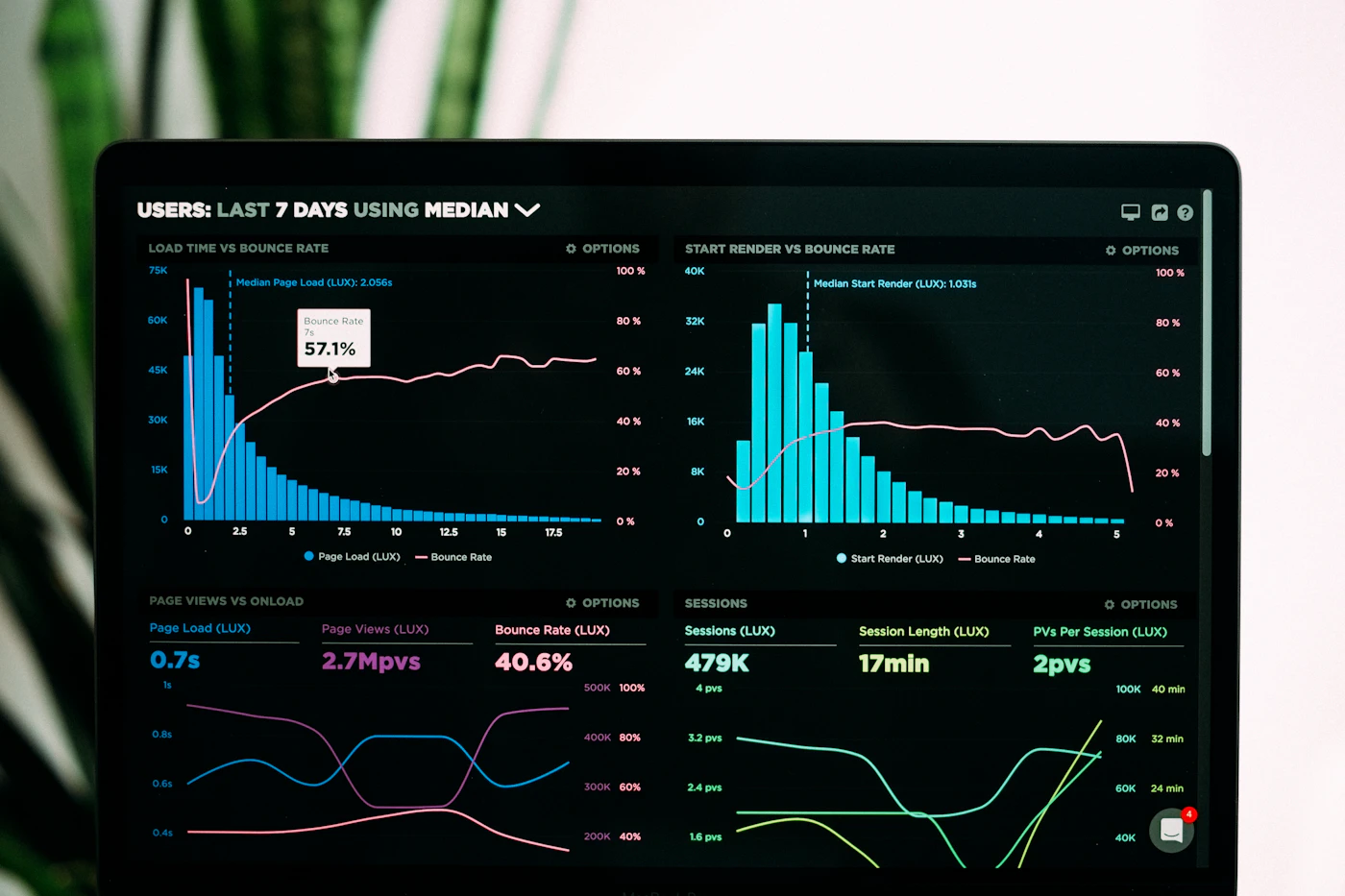
The dashboard is the server’s quick-look control room. It collects the checks that are useful during maintenance: system load, disk and memory pressure, container state, update hints, backup entry points, and links to the other services.
How it works
A small Flask app serves the UI and JSON endpoints from an internal port.
The Docker SDK reads container status locally, so the page can show what is running without exposing the Docker socket publicly.
Caddy publishes the route and Authelia protects access before the dashboard is shown.
Mutating actions are disabled by default unless explicitly enabled through environment configuration.
Why it exists
Most personal servers fail in boring ways: a container is stale, a disk fills up, a service moved, or the route points at the wrong upstream. This dashboard is designed to catch those boring problems quickly without logging into five different tools.
Flask
Docker Compose
Authelia
Caddy
Ops UI
Wat het is
Het dashboard is de snelle controlekamer van de server. Het bundelt checks die nuttig zijn tijdens onderhoud: systeemload, disk- en geheugendruk, containerstatus, update-indicaties, backup-ingangen en links naar andere services.
Hoe het werkt
Een kleine Flask-app serveert de UI en JSON-endpoints op een interne poort.
De Docker SDK leest lokaal containerstatus uit, zodat de pagina kan tonen wat draait zonder de Docker socket publiek te maken.
Caddy publiceert de route en Authelia zet er authenticatie voor.
Muterende acties staan standaard uit, tenzij ze expliciet via environment-configuratie worden aangezet.
Waarom het bestaat
Persoonlijke servers gaan meestal stuk op saaie manieren: een container is verouderd, een disk loopt vol, een service is verplaatst of een route wijst naar de verkeerde upstream. Dit dashboard is gemaakt om die saaie problemen snel te zien zonder vijf tools te openen.